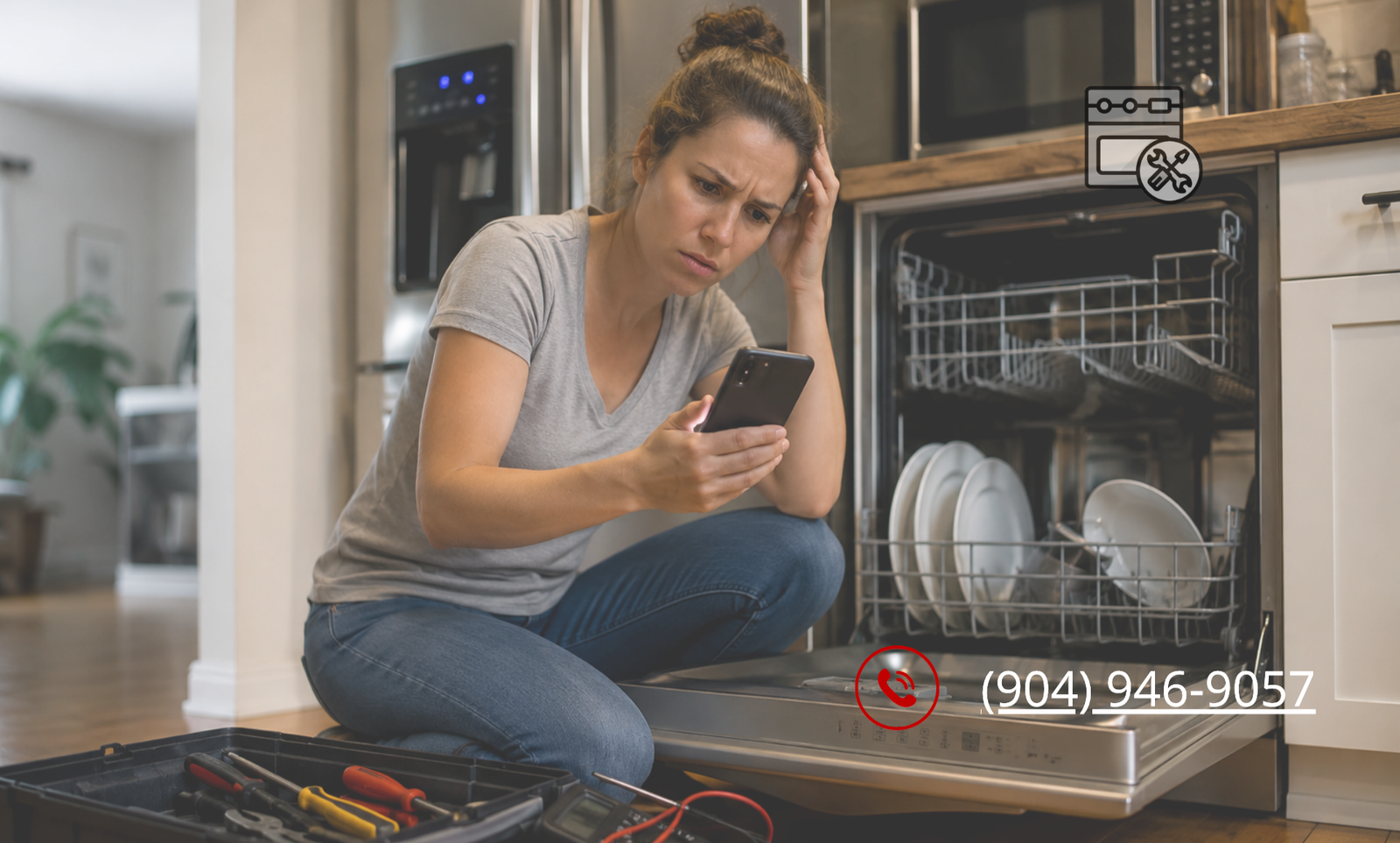
Over the past few years, American homes have quietly become more connected than ever before. From smart refrigerators and voice assistants to security cameras and thermostats, modern households rely on dozens of internet-connected devices every day. Smart household appliances – such as connected washing machines, dishwashers, and ovens – are also becoming a common part of this ecosystem. These technologies make life more convenient, helping you manage energy use, monitor your home remotely, and automate routine tasks. But as the number of connected devices grows, so does the importance of home network security.
Many homeowners don’t realize that every smart appliance connected to their Wi-Fi becomes part of the same digital ecosystem. A smart refrigerator, washing machine, dryer, dishwasher, or oven may all communicate through the same home router. Modern appliances increasingly connect to mobile apps, cloud platforms, and home automation systems, allowing homeowners to monitor performance, receive maintenance alerts, and control devices remotely.
While these features make daily life more convenient, they also increase the number of potential entry points into a home network. If even one appliance has weak protection or outdated software, it can potentially expose other connected devices on the network. This is why experts increasingly warn about IoT security risks, particularly in homes where several smart household appliances operate simultaneously.
For companies like Gdoing LLC, which specialize in appliance service and repair, this shift toward connected appliances highlights a new responsibility: helping homeowners maintain not only the mechanical performance of their devices but also their safe and reliable operation within a connected home environment.
Recent cybersecurity trends 2026 show attackers are paying more attention to household technology than ever before. Devices with weak passwords, outdated firmware, or poor configuration can create entry points that attackers exploit to access networks, gather data, or disrupt systems.
The broader geopolitical environment also plays a role. Security experts note that geopolitical cyber threats are rising as digital conflicts between countries expand beyond traditional infrastructure. In some cases, large-scale campaigns linked to state-sponsored cyber attacks have affected consumer technologies and connected devices (CISA, 2025). While homeowners are rarely direct targets, vulnerabilities in widely used technologies can still create risks for everyday users.
For homeowners, this doesn’t mean smart technology should be avoided. On the contrary, connected devices can improve safety, efficiency, and comfort when used properly. The key is understanding connected devices security and taking practical steps to protect your home network. By being aware of common vulnerabilities and following a few smart security practices, you can enjoy the benefits of modern smart appliances while keeping your home technology safe and reliable.
The Expansion of Connected Devices in Modern Homes
The Rise of Smart Appliances and IoT Ecosystems
Modern homes are rapidly transforming into connected ecosystems. What used to be simple household appliances are now smart devices capable of communicating with each other and with your smartphone. Many households use smart thermostats to control temperature remotely, security cameras to monitor their property, smart refrigerators that track food inventory, and washers or dryers that can be managed through mobile apps.
These devices are part of what experts call the Internet of Things (IoT) – a network of connected technologies designed to make homes more efficient and convenient. For homeowners, this means greater control and comfort. You can adjust your thermostat while at work, check your front door camera while traveling, or receive alerts when your laundry cycle finishes.
However, as more appliances connect to the internet, connected home security becomes increasingly important. Every connected device shares the same digital environment within your home network. If one device is poorly secured, it may create vulnerabilities that affect the rest of the system. Protecting smart appliances is no longer just about physical maintenance – it also involves understanding the basics of digital security.
Why Every Device Increases the Attack Surface
While smart devices bring many benefits, they also introduce new technical challenges. Each internet-connected device expands what cybersecurity professionals call the “attack surface.” In simple terms, the more devices connected to your home network, the more potential entry points exist for attackers.
Many smart appliances are designed primarily for functionality and convenience, but not all are built with strong security protections by default. Devices may ship with default passwords, outdated software, or limited security settings.
Common vulnerabilities include:
- Weak or reused passwords
- Outdated firmware with known security flaws
- Devices connected to unsecured or poorly configured routers
According to the U.S. Cybersecurity and Infrastructure Security Agency (CISA), poorly secured IoT devices remain one of the most common ways attackers gain access to home networks (CISA IoT Security Guidance). Regular updates and strong device credentials are essential.
How Smart Homes Depend on Home Network Security
At the center of every connected home is one critical component: the router. Your router acts as the main gateway between your household devices and the internet. Every smart appliance – from cameras to thermostats – typically communicates through this central connection.
Strong home network security practices are essential:
- Use strong, unique passwords and modern encryption standards such as WPA3 or WPA2
- Install firmware updates promptly
- Consider network segmentation to isolate smart devices from personal computers or mobile devices
With these measures in place, homeowners can safely enjoy the convenience of connected technology while reducing the risk of unwanted digital intrusions.
Cybersecurity Trends 2026: What Experts Are Seeing
Growth of AI-Powered Cyber Attacks
Artificial intelligence is rapidly changing the cybersecurity landscape. Automated tools allow attackers to scan thousands of networks and devices quickly, identifying vulnerabilities in smart appliances, thermostats, or cameras. This has created new AI and cybersecurity threats for consumers.
At the same time, security technologies are also advancing. Modern routers and monitoring systems use AI to detect unusual activity, offering homeowners tools to respond quickly to potential risks.
The Rise of State-Sponsored and Geopolitical Cyber Attacks
State-level cyber activity is another emerging trend. Over the past decade, governments have increased the sophistication and frequency of state-sponsored cyber attacks, often targeting critical infrastructure. While these campaigns focus on large-scale targets, vulnerabilities in consumer technologies can sometimes be exploited as part of broader operations.
Geopolitical cyber threats underscore the importance of maintaining strong IoT security practices at home. The National Institute of Standards and Technology (NIST) recommends that households, like businesses, prioritize secure configurations and regular firmware updates (NIST IoT Guidelines, 2025).
New IoT Security Trends and Regulations
Governments and tech companies are introducing updated security standards. Manufacturers are now encouraged to:
- Eliminate default passwords
- Provide regular firmware updates
- Build encryption and authentication directly into devices
For homeowners, this means that newer appliances often include stronger built-in protections. However, regular maintenance and awareness remain crucial to reduce IoT security risks and strengthen connected devices security.
Most Vulnerable Smart Home Appliances
Smart Refrigerators
Smart refrigerators are one of the most advanced connected appliances in modern kitchens. Many models connect to Wi-Fi, mobile apps, and cloud platforms to track food inventory, adjust temperature remotely, and send maintenance alerts.
However, these features also create potential cybersecurity risks. If the refrigerator’s firmware is outdated or the device uses a weak password, it may become an entry point into the home network. To improve smart appliance security, homeowners should regularly install firmware updates, secure their Wi-Fi network, and use strong login credentials.
Smart Washing Machines and Dryers
Modern washers and dryers often include Wi-Fi connectivity that allows homeowners to start cycles remotely, receive notifications, and monitor energy usage. While these features add convenience, they also mean the appliance communicates with mobile apps and cloud services.
To reduce risks, it’s important to keep software updated and avoid using default passwords. Secure connections and regular updates help maintain both the performance and security of connected laundry appliances.
Other Connected Kitchen Appliances
Other smart appliances – such as dishwashers, ovens, and ranges – are also becoming part of the connected home ecosystem. These devices may sync with mobile apps, receive software updates, or integrate with home automation platforms.
Even though they may seem low-risk, improperly configured appliances can still create vulnerabilities within a home network. Following best practices – such as installing firmware updates and using secure Wi-Fi settings – helps reduce potential IoT security risks.
According to the U.S. Federal Trade Commission, consumers should treat smart home devices the same way they treat computers or smartphones by keeping software updated and reviewing device security settings .
Practical Cybersecurity for Smart Homes
- Strengthening Your Home Network Security
Secure your router, update firmware, and consider network segmentation to create a strong foundation for home network security.
- Device-Level Protection Strategies
Use unique passwords, enable multi-factor authentication, and keep firmware up to date to reduce IoT security risks.
- Building Long-Term Cybersecurity
Monitor device behavior, maintain proper installation, and leverage professional services to strengthen smart home cybersecurity.
Why Appliance Maintenance Also Matters for Cybersecurity
Smart appliance maintenance plays an important role in cybersecurity as well as performance. Regular servicing, firmware updates, proper installation, and professional oversight help reduce vulnerabilities and improve connected home security. At GDoing LLC, our repair and maintenance services help homeowners keep smart appliances safe, reliable, and fully functional within an increasingly connected home environment. Looking ahead, smart home technology will continue to evolve with smarter routers, built-in security tools, and AI-powered monitoring designed to detect potential threats earlier. Homeowners can expect greater integration of smart home cybersecurity technologies and stronger protection for connected appliances. Ultimately, building a safer smart home requires a combination of awareness and good maintenance habits – such as installing updates, using strong passwords, segmenting home networks, and seeking professional support when needed. By following these practices, you can enjoy the convenience of modern connected appliances while reducing exposure to emerging AI-driven cyber threats and broader geopolitical cybersecurity risks.
FAQ
Are smart home appliances vulnerable to cyber attacks?
Yes. Smart appliances such as refrigerators, washing machines, and dishwashers connect to Wi-Fi networks and cloud services. If they use weak passwords or outdated firmware, they can create entry points for cyber attackers.
Which smart household appliances are most vulnerable?
Appliances that connect to mobile apps or cloud platforms are the most exposed. Smart refrigerators, washing machines, dryers, and connected kitchen appliances can become vulnerable if their software is not updated or properly secured.
How can homeowners protect smart appliances from hackers?
Homeowners should use strong passwords, update firmware regularly, secure their Wi-Fi router, and avoid using default device credentials. Network segmentation can also help isolate smart appliances from personal devices.
Why are firmware updates important for smart appliances?
Firmware updates fix security vulnerabilities and improve device performance. Installing updates regularly helps reduce IoT security risks and protects your home network from potential threats.
Do smart appliances need professional maintenance?
Yes. Professional maintenance helps ensure appliances are properly installed, updated, and configured securely. Technicians can also identify performance issues that may affect both functionality and cybersecurity.
Can a hacked appliance affect the entire home network?
Potentially, yes. If one connected appliance is compromised, attackers may attempt to access other devices on the same network. This is why strong home network security and proper appliance configuration are essential.
Should I disconnect smart appliances from the internet?
Not necessarily. Smart appliances can improve convenience and efficiency when used properly. Instead of disconnecting them, homeowners should focus on secure setup, regular updates, and safe network practices.