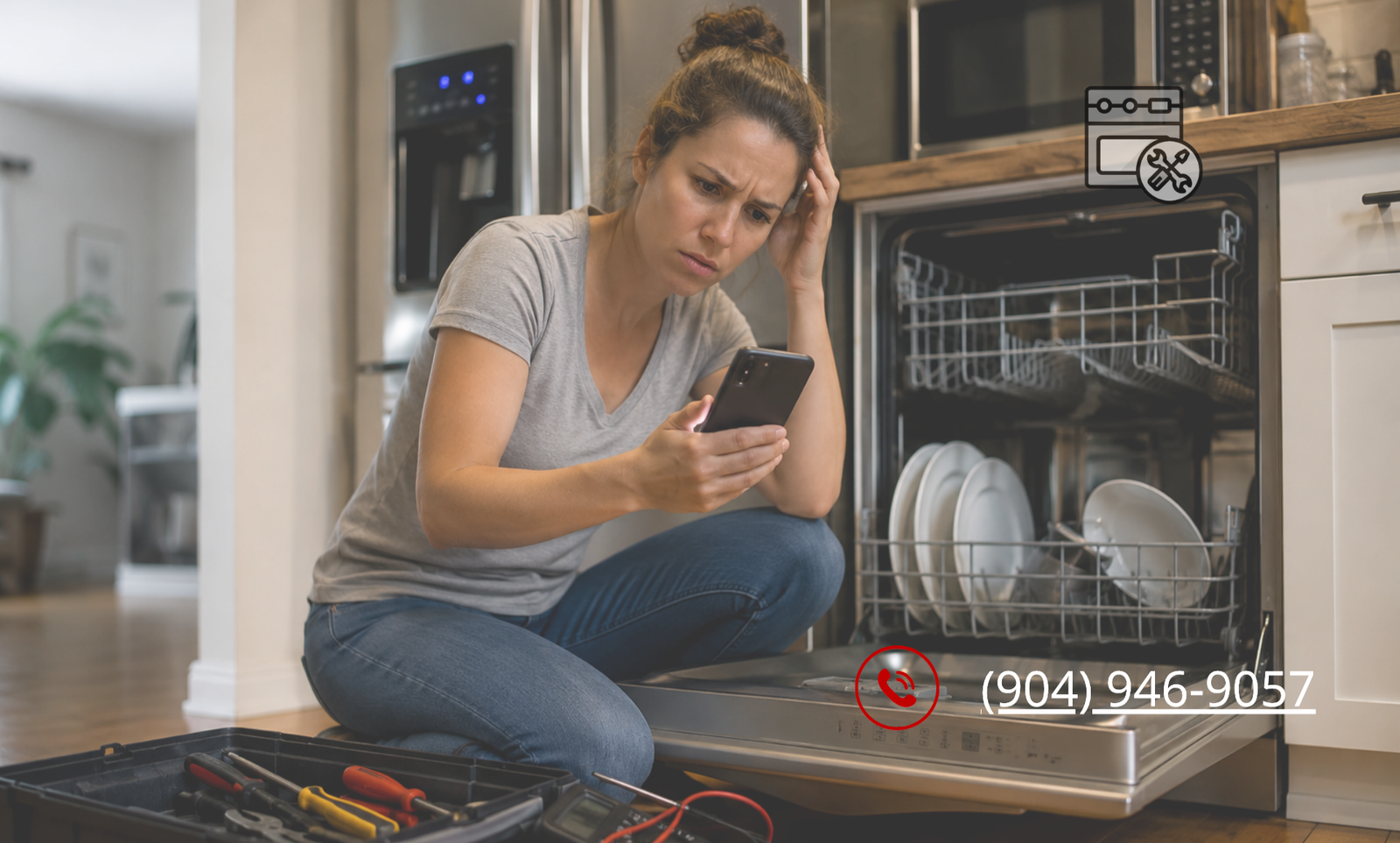
Your refrigerator suddenly resets. The microwave works perfectly one day and refuses to start the next. The dishwasher begins showing random error codes without any clear reason. In situations like these, most homeowners naturally assume the appliance has simply reached the end of its life.
But that assumption is not always correct.
In many cases, what looks like random appliance failure is actually caused by hidden electrical issues within the home. Problems such as unstable voltage, overloaded circuits, loose wiring, or aging electrical components can create symptoms that closely resemble failing appliances. These types of home electrical problems often develop gradually and may affect multiple devices long before the real cause is identified.
The challenge is that electrical issues rarely appear in a clear or consistent way. Instead, they tend to cause intermittent disruptions that make appliances seem unreliable even when the equipment itself is still in good condition. Over time, unresolved electrical faults can lead to repeated malfunctions, reduced appliance lifespan, and increased risk of damage to sensitive electronic components.
Replacing an appliance without identifying the root cause often results in a temporary fix. If the underlying issue is within the home’s electrical system, even a brand-new appliance may begin showing the same symptoms.
If you notice recurring resets, inconsistent performance, frequent shutdowns, or similar issues affecting multiple appliances, it may indicate that the problem is not the appliances themselves. In many cases, a licensed electrician can evaluate the home’s electrical system and determine whether voltage fluctuations or circuit instability are contributing factors.
Why Appliances Fail Even When Nothing Seems Wrong
One of the most frustrating aspects of appliance problems is that there is often no obvious warning before something goes wrong. A refrigerator may continue running but randomly reset. An oven might shut off mid-cycle. A washing machine can display an error code and then operate normally again shortly after.
In many cases, these issues are not caused by internal appliance failure.
Modern appliances depend heavily on stable electrical conditions to function properly. Refrigerators, dishwashers, microwaves, and laundry systems all rely on electronic control boards, sensors, and protection systems that are highly sensitive to incoming power quality. When the electrical supply becomes unstable, these systems may behave as if the appliance is malfunctioning – even when no internal component is actually damaged.
This is where power quality issues become important. Voltage fluctuations, inconsistent power delivery, overloaded circuits, or aging wiring can all create symptoms that closely resemble appliance defects. Even brief interruptions that are not strong enough to trip a breaker can still disrupt electronics and place stress on internal components over time.
Intermittent appliance problems are especially difficult to diagnose because they come and go. An appliance may work perfectly during a service visit, only to fail again later when electrical conditions change in the home. As a result, homeowners often replace appliances or repair parts without addressing the real cause.
When multiple appliances begin showing similar behavior – such as random resets, shutdowns, or inconsistent performance – it often points to a broader issue within the home electrical system rather than isolated appliance failure.
7 Hidden Electrical Problems That Can Damage Household Appliances
Loose Wiring and Hidden Arcing
Not all electrical problems show obvious warning signs like sparks or tripped breakers. Some of the most damaging issues develop silently behind walls, inside outlets, or within junction boxes.
Loose wiring connections are a common example. When a wire is not fully secured, electricity may jump across small gaps instead of flowing smoothly. This process, known as micro-arcing, generates heat in short bursts that can slowly degrade the system.
Over time, this heat affects the stability of power reaching appliances. Refrigerators, ovens, dishwashers, and microwaves depend on consistent electrical input, and even brief interruptions can lead to resets, error codes, or unexpected shutdowns.
Because these symptoms often appear intermittently, they are frequently mistaken for appliance defects when the root cause is actually a hidden wiring issue.
Voltage Fluctuations and Power Surges
Voltage fluctuations are more common than most homeowners realize. They can occur during utility switching, peak energy usage, or changes in the local power grid. Even small fluctuations that last less than a second can affect modern appliances. While not strong enough to trip a breaker, they can still stress sensitive electronic components.
Over time, repeated exposure may lead to performance issues, control board failures, display errors, or shortened appliance lifespan. When multiple appliances behave unpredictably – especially after storms or heavy usage – it often signals underlying power quality issues rather than isolated failures.
Overloaded Circuits
A common but often overlooked cause of appliance problems is circuit overload. Modern homes use significantly more electricity than older systems were designed for, and multiple high-demand appliances often share the same circuit.
When demand exceeds capacity, temporary voltage drops can occur even without tripping a breaker. These drops may cause appliances to restart, respond slowly, or show intermittent errors.
Because the symptoms are inconsistent, overloaded circuits are often misinterpreted as appliance defects instead of a broader electrical issue in the home.
Aging Electrical Panels
Electrical panels naturally degrade over time. In older homes, years of electrical demand and heat cycles can reduce breaker reliability and overall system performance. As a result, power delivery becomes less stable. Appliances may experience interruptions, nuisance tripping, or unpredictable behavior that looks like internal failure.
In many cases, the appliance is not the problem – the electrical panel is no longer supplying consistent power throughout the home.
Neutral Wire Issues
Neutral wire problems can be especially disruptive because they may affect multiple circuits at the same time.
When a neutral connection becomes loose or unstable, voltage imbalance can spread throughout the electrical system. This often leads to flickering lights, appliances restarting, or inconsistent performance across multiple devices.
Because symptoms appear in more than one location, neutral issues are often a strong indicator of a deeper electrical system problem.
Extension Cords and Power Strips
Extension cords and power strips are designed for temporary use, but they are often used as permanent solutions in many homes. When high-demand appliances are connected through these devices, they may experience heat buildup and unstable power delivery. This can increase wear on internal components and reduce long-term reliability.
For major appliances, direct connection to properly rated outlets is always recommended for safe and stable operation.
Outlet and Receptacle Wear
Outlets are frequently overlooked, but worn or damaged receptacles can significantly impact appliance performance.
Over time, internal contacts loosen and electrical connection becomes inconsistent. This may result in warm outlets, loose plugs, or intermittent power loss. These issues are often mistaken for appliance failure, even though the real problem lies in the outlet itself. When multiple appliances fail in the same location, the receptacle should always be inspected.
Warning Signs Your Appliances May Be Affected by Electrical Issues
Appliances rarely fail without warning. More often, they show subtle signs long before a complete breakdown occurs. The difficulty is that these symptoms often resemble normal appliance defects.
A refrigerator that resets occasionally, a dishwasher showing random errors, or a microwave working inconsistently may seem unrelated. But when multiple devices behave the same way, it often points to a broader home electrical problem.
Common warning signs include unexpected restarts, flickering displays, frequent breaker trips, intermittent shutdowns, and error codes without mechanical explanation. When several of these appear together, it usually indicates an underlying electrical issue affecting system stability.
Identifying these patterns early can help prevent unnecessary repairs and reduce long-term appliance damage caused by unstable electrical conditions.
How to Tell Whether the Problem Is the Appliance or the Electrical System
The key difference is scope.
If only one appliance is affected while everything else works normally, the issue is likely internal – such as a worn component or sensor failure.
However, if multiple appliances begin acting unpredictably at the same time, the cause is more likely related to the home electrical system. Voltage instability, overloaded circuits, or wiring issues can affect power consistency across the entire house.
Symptoms like lights dimming when appliances start, repeated breaker trips, or simultaneous appliance resets often point toward electrical rather than appliance-related problems.
When in doubt, observing patterns over time can help narrow down the cause more accurately.
When to Call an Electrician Instead of Replacing Appliances
Replacing an appliance is often the first reaction when something stops working properly. However, if the issue is electrical, even a new appliance may develop the same problems.
If multiple devices begin malfunctioning around the same time – for example, a refrigerator resetting, a dishwasher showing errors, and a microwave losing power – it may indicate a shared electrical issue in the home.
Other warning signs include burn marks near outlets, warm plugs, and repeated appliance repairs that do not solve the problem. These symptoms often point to deeper electrical conditions such as loose wiring, overloaded circuits, or unstable voltage.
In these situations, a professional electrical inspection is often the most effective way to identify the root cause and prevent repeated equipment failures.
Preventive Maintenance That Protects Appliances Long-Term
Preventing appliance problems is often easier and more cost-effective than repairing or replacing equipment after failure occurs.
Regular electrical inspections can help identify hidden issues such as loose connections, aging components, or overloaded circuits before they affect appliances. Evaluating the electrical panel is especially important in older homes or properties with increasing power demand.
Whole-home surge protection can also help reduce the impact of voltage fluctuations on sensitive electronics. Proper load distribution across circuits ensures more stable operation, especially for high-demand appliances.
Worn outlets should be replaced promptly, and major appliances should ideally be connected to dedicated circuits to ensure consistent performance.
Many long-term appliance issues actually begin as small electrical problems that develop gradually over time. Addressing them early helps improve reliability and reduce unnecessary repair costs.
When appliances begin behaving unpredictably, it is easy to assume they are failing. However, many of these issues are not random but linked to hidden electrical conditions in the home.
Voltage instability, overloaded circuits, worn connections, and aging electrical components can all affect appliance performance over time. These issues often lead to repeated interruptions, premature wear, and unnecessary repairs.
Recognizing early warning signs – such as resets, flickering displays, warm outlets, or multiple appliances malfunctioning at once – can help identify deeper electrical problems before they become expensive.
Replacing an appliance without understanding the root cause often provides only a temporary solution. Addressing the underlying electrical system first leads to more reliable performance, lower costs, and safer long-term operation throughout the home.
For professional diagnosis of hidden electrical issues affecting household appliances, it is important to work with a qualified electrical service provider. Learn more about electrical inspection and repair services there.
FAQ
Can electrical problems make appliances seem broken?
Yes. Issues like voltage fluctuations, loose wiring, or overloaded circuits can cause appliances to reset, shut down, or show error codes even when the appliance itself is not faulty.
Why do multiple appliances fail at the same time?
When several appliances show problems together, it often points to a shared issue in the home’s electrical system, such as unstable voltage, aging wiring, or an overloaded circuit.
How can I tell if it’s the appliance or the electrical system?
If only one appliance is affected, it is more likely an internal defect. If multiple devices behave unpredictably at the same time, the issue is often electrical.
Can power surges damage modern appliances?
Yes. Even small or repeated voltage spikes can gradually damage control boards and sensitive electronics inside modern appliances.
What are common signs of electrical issues at home?
Frequent breaker trips, flickering lights, warm outlets, random appliance resets, and inconsistent performance across multiple devices are common indicators.
Should I replace an appliance or call an electrician first?
If multiple appliances show similar symptoms or the issue keeps returning after repairs, it is usually better to have the electrical system checked first.
Can extension cords cause appliance problems?
Yes. Using extension cords for high-power appliances can lead to overheating, voltage drop, and unstable performance over time.
Who should inspect hidden electrical problems?
A licensed electrician should evaluate the system, especially if issues involve multiple appliances or recurring electrical symptoms.