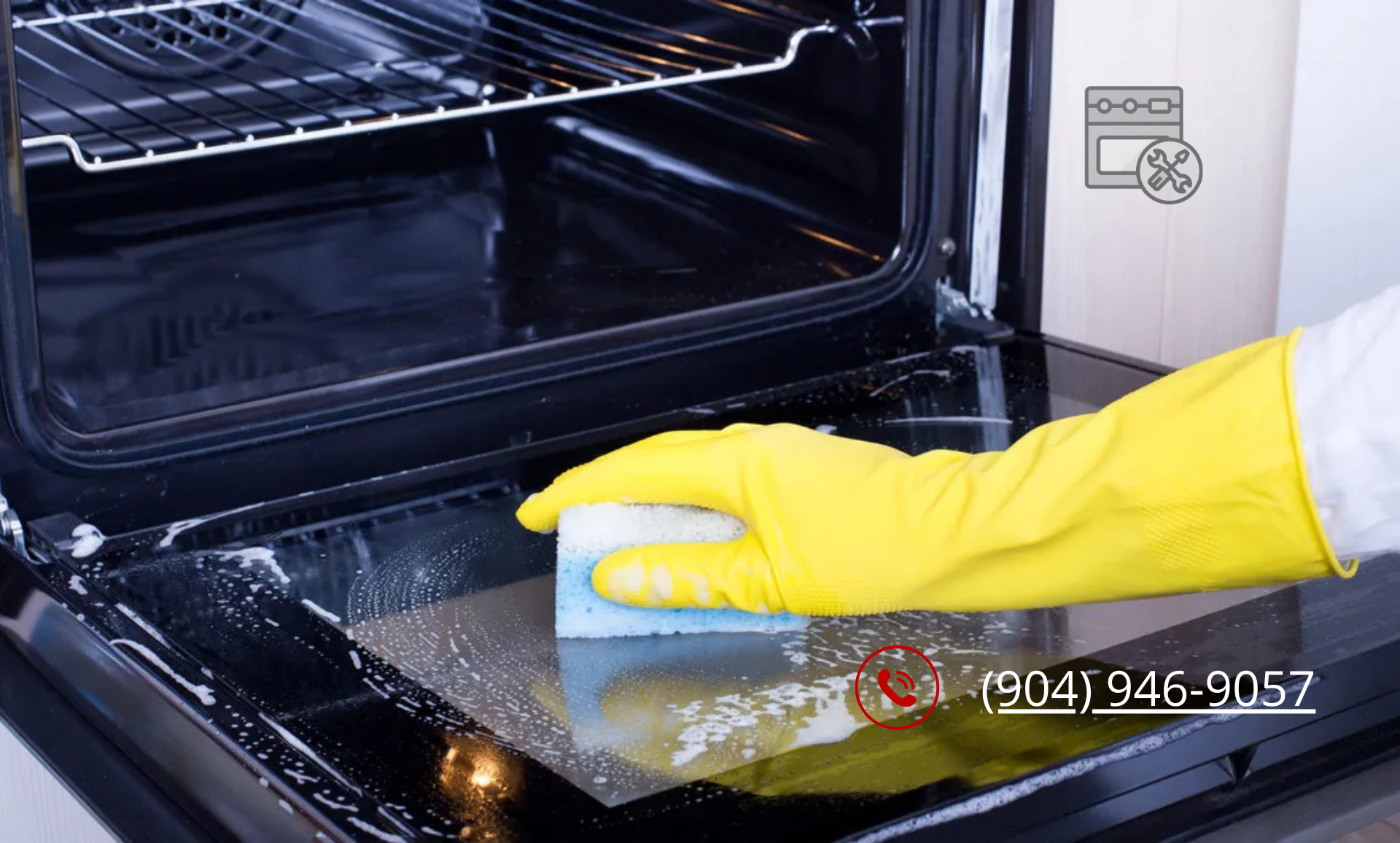
Self-cleaning ovens have become a staple in many U.S. households because they combine convenience with efficiency, saving homeowners the hassle of scrubbing baked-on grease and food residue. However, while this feature simplifies kitchen maintenance, understanding self-cleaning oven safety is crucial. High-heat cycles, which can reach up to 900°F (480°C), pose risks if the appliance is misused or poorly maintained.
This guide explores the pros and cons of self-cleaning ovens, drawing on insights from appliance repair experts and trusted sources such as Consumer Reports and the CPSC. You’ll learn how these ovens work, the potential risks, maintenance tips, and when to seek professional help, ensuring safe, efficient operation whether you’re a first-time user or an experienced cook.
How Self-Cleaning Ovens Work
Self-cleaning ovens simplify cleaning by using extremely high temperatures to burn off grease and food residue. During a typical cycle, the oven heats to around 900°F (480°C), turning leftovers into ash that can be easily wiped away. This method reduces the need for harsh chemical cleaners and saves considerable time and effort.
Different cycle types offer options for cleaning intensity, time, and energy use. Understanding these cycles is essential for self-cleaning oven safety, as improper use can lead to overheating, smoke, or fire. The dangers of self-cleaning ovens are rare but possible if guidelines are ignored.
| Cycle Type | Duration | Temperature | Notes |
| Full Self-Clean | 2–6 hrs | ~900°F | Burns residue completely |
| Quick Clean | 1–2 hrs | ~600°F | Less energy, less residue |
| Steam / Light Clean | 20–40 min | ~212°F | Safer, less effective |
Pro Tip: Always ensure proper kitchen ventilation and never leave the oven unattended during high-heat cycles to minimize risk.
Pros and Cons of Self-Cleaning Ovens
Understanding the advantages and limitations of self-cleaning ovens helps homeowners use them safely and effectively.
Pros:
- Saves time and effort: Eliminates the need for manual scrubbing of baked-on spills.
- Burns off most residue: High heat converts food remnants into ash, leaving the oven clean.
- Reduces chemical exposure: Minimizes use of strong cleaners.
Cons:
- High temperatures can be hazardous: Misuse can lead to burns, smoke, or minor fires.
- Potential damage to older ovens: Repeated cycles may affect seals, knobs, or electronics.
- Energy-intensive: Full cycles consume significant electricity.
Expert Tip: Frequent use of the self-cleaning function requires regular inspection of door seals and ventilation to ensure safe operation.
By weighing these pros and cons of self-cleaning ovens, you can enjoy convenience while protecting your appliance and home.
Common Risks and Safety Tips
Despite their convenience, self-cleaning ovens have potential hazards. High temperatures can cause:
- Overheating
- Smoke or minor fires
- Damage to interior coatings or door seals
According to the CPSC, thousands of incidents occur annually from overheating, burns, and minor fires. While severe accidents are uncommon, following safety precautions is essential for self-cleaning oven safety.
Safety Tips:
- Never leave a self-cleaning cycle unattended.
- Remove large food debris before starting to prevent excessive smoke.
- Use oven mitts and maintain a safe distance.
- Ensure proper kitchen ventilation.
Following these steps helps you benefit from the oven’s convenience while minimizing risks.
Maintenance Tips and When to Call a Professional
Routine maintenance is critical for safe operation. Regularly check:
- Door seals for cracks or damage
- Ventilation for blockages
Call a professional if you notice:
- Strange noises or rattling
- Burning or unusual odors
- Incomplete cleaning cycles or leftover residue
For homeowners in the U.S., a trusted oven cleaning service near me can provide expert inspections, safe cleaning, and repairs, ensuring your appliance remains reliable. Professionals can also access hard-to-reach components, preserving both safety and longevity.
DIY vs Professional Cleaning
You can clean your oven manually or use the self-cleaning cycle.
- Manual cleaning: Allows targeted cleaning with baking soda, vinegar, or commercial cleaners. Offers precision but can be time-consuming and involves chemical exposure.
- Self-cleaning cycle: Burns residue automatically, but generates extreme heat, requiring careful use and attention to safety guidelines.
Professional services are valuable, especially for older or high-tech models. Hiring an oven cleaning service near me ensures thorough, safe cleaning and helps identify potential issues before they become costly.
Combining smart DIY methods with professional support optimizes safety, efficiency, and appliance lifespan.
Used correctly, self-cleaning ovens save time and effort while keeping your kitchen spotless. Following proper guidelines minimizes hazards and extends appliance life, supporting self-cleaning oven safety.
Regular maintenance, careful use of high-heat cycles, and prompt attention to unusual signs help ensure your oven operates efficiently for years. For older or advanced models, don’t hesitate to contact a professional oven cleaning service near me. Safe usage paired with expert support allows you to enjoy convenience while minimizing risk and protecting your investment.
Smart habits today mean safer, cleaner, and longer-lasting appliances tomorrow.
FAQ
Are self-cleaning ovens safe to use?
Yes, when used according to manufacturer instructions and with proper ventilation, self-cleaning oven safety can be maintained.
What are the main dangers of self-cleaning ovens?
High temperatures can cause overheating, smoke, minor fires, or damage to seals, especially in older models.
How often should I use the self-cleaning cycle?
Use it only when necessary, typically a few times per year, and avoid frequent cycles to reduce wear.
Can I manually clean my oven instead?
Yes, manual cleaning with baking soda, vinegar, or commercial cleaners is safe and allows precise control over delicate areas.
When should I call a professional?
Contact an oven cleaning service near me if you notice strange noises, odors, incomplete cycles, or worn seals.
Do self-cleaning ovens save time?
Yes, they burn residue automatically, reducing the need for scrubbing and chemical cleaners.
Are high-tech ovens safe for self-cleaning?
Most modern models are designed for self-cleaning, but check the manual and ensure proper self-cleaning oven safety practices.